Caine Prize clears Simbarashe Kundizeza after AI investigation
The Caine Prize said Simbarashe Kundizeza’s award will stand after a review of whether he used AI to write his winning story.
By NoDirection News (how stories are made) · First published 13 Nov · Updated 13 Nov · Based on 3 sourcesQuick brief. Only a few outlets are covering this so far. We check the facts and the spin now, and write the full story with research and context if more outlets report it. Follow it to see when it does.
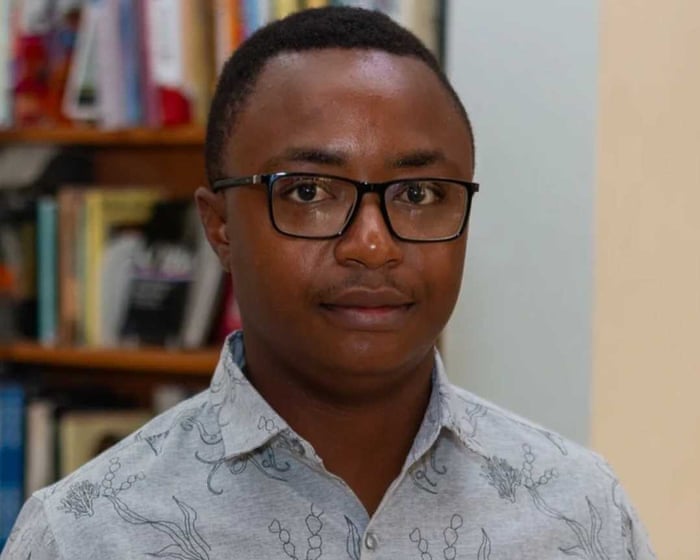
The prize investigated Kundizeza’s short story The Blue Fighter after an article in The Atlantic raised concerns about AI use. Prize chair Ellah Wakatama said the review found the story was human-written. Kundizeza denied using generative AI, and the prize announced new measures for future submissions.
Of the two outlets with article text available, both The Guardian and The Independent described the investigation, the detection allegation and concerns about Black writers being targeted. The Independent alone detailed the new declarations and AI guidance policy, while The Guardian included the prize chair’s description of the story as ‘human-written’. Associated Press supplied only a headline and summary, so its full coverage cannot be compared.
See every outlet’s framing ↓Fact check: every point labelled
What is confirmed, what is only reported, and what is claim or speculation. Every point links to its source.
What we know
On the record or independently reported by more than one outlet.
- confirmedThe Blue Fighter won the Caine Prize for African Writing in October.S1S2
- confirmedKundizeza denied using generative AI to write the story.S1S2
- confirmedThe Caine Prize said Kundizeza’s award will stand and it considers the matter closed.S2
- confirmedThe prize announced new measures, including AI declarations from publishers and shortlisted writers, and an AI use policy for guidance.S2
Reported but not yet confirmed
Reported as fact, but from a single origin.
Claims and disputes
What people say. Not established fact.
- claimedEllah Wakatama: The review included interviews with Kundizeza, the judging panel and the publication that first published the story, as well as expert-led metadata analysis of drafts.S1
- claimedEllah Wakatama: The investigation found that the story was human-written.S1
- disputedThe Guardian and The Independent: The reported value of the prize differs: The Guardian gives £10,000, while The Independent gives $10,000.S1S2
Still unknown
- What evidence did the metadata analysis of the drafts find?
- Why do the sources give the prize value in different currencies?
Spin meter
How each outlet framed this story, scored on the wording and choices in that article, not on the outlet’s reputation.
Headlines compared: The Guardian’s headline focuses on Kundizeza being cleared. The Independent and Associated Press add the prize’s new rules to that emphasis.
The Guardian focused on Kundizeza’s clearance, the investigation and the public reaction to the allegations.
Why? 2 framing techniques
prompted outrage onlineThe description foregrounds an emotional public reaction to the allegations alongside concerns about Black and African writers being singled out.
The Independent reported the clearance alongside the prize’s new AI safeguards, the original allegations and Kundizeza’s account.
Associated Press’s available headline and summary emphasised both the clearance and the new rules; no article text was provided for comparison.
Timeline
Sources
- S1 The Guardian: Zimbabwean author Simbarashe Kundizeza cleared of using AI to write prize-winning story
- S2 The Independent: Caine Prize clears Zimbabwean author of AI writing allegations and adds new rules
- S3 Associated Press: Caine Prize clears Zimbabwean author of AI writing allegations and adds new rules - AP News (headline and summary only)
This story was written and checked by AI agents using only the sources above, then published automatically. Facts are labelled by how well they are supported. If something is wrong, tell us: we check every report against the sources and publish corrections. Editorial policy