What happened
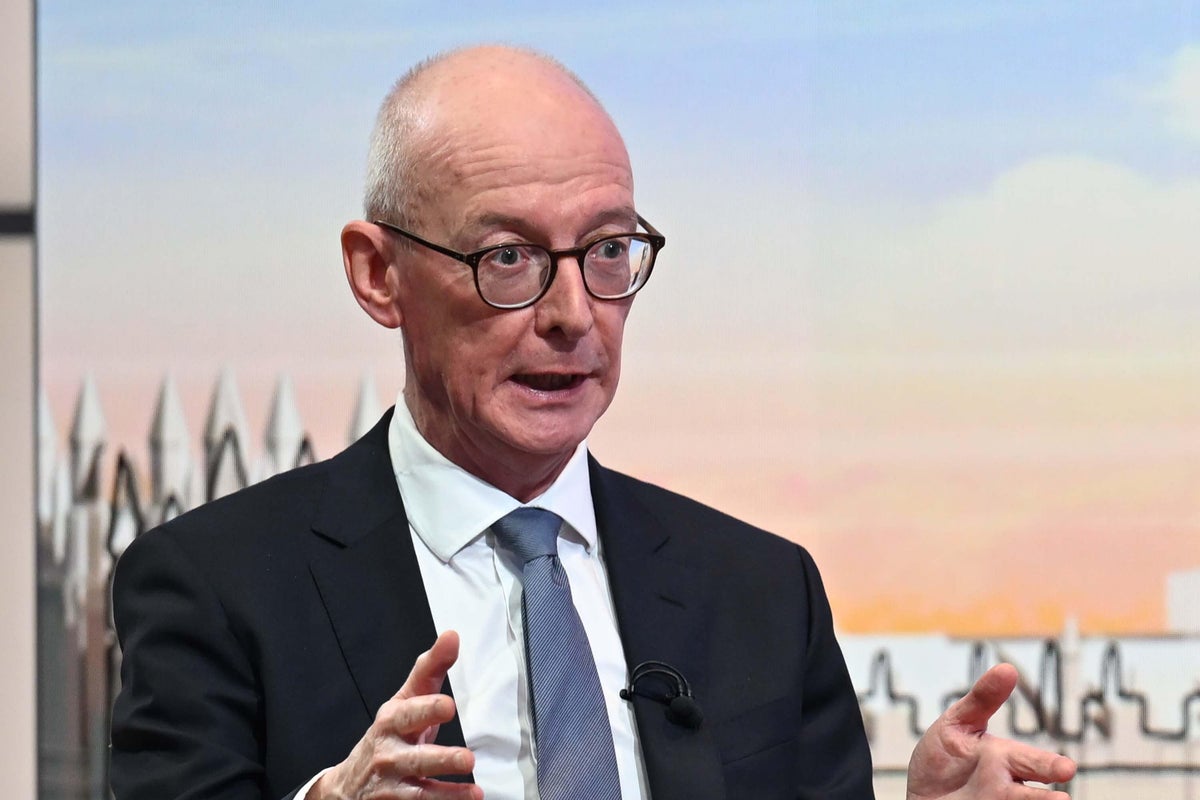
Work and pensions secretary Pat McFadden said on Sunday that some people would receive less financial support under future welfare arrangements. His comments came ahead of Alan Milburn's review of young people outside work, education or training, which the Independent reports is due on Tuesday 17 November.S1
Speaking to the BBC's Sunday With Laura Kuenssberg, McFadden said: “There will be people in the future who will not get what they would get today.” He said claimants would move to a new system when reassessed, while noting that reassessments already happen under current arrangements.S1
Milburn's proposals include moving young people off health-related benefits and onto a youth allowance paid at the standard universal credit rate, according to the report. The interviews set out a proposed direction, but do not specify every affected group, individual losses or when those changes would begin.S1
Why it matters
Milburn also proposed an opportunity guarantee: a duty on government to provide work, training or employment support. Asked whether young people could sue if opportunities were unavailable, he said the review would avoid that outcome. The interview did not set out the legal wording of that proposed duty.S1
Milburn estimated it would take ten years to bring the number of young people outside work and learning to what he called a reasonable level. He said investment would likely run into billions of pounds, predicting lower benefit spending and more young people earning wages. Those are his expectations, rather than an agreed funding settlement or demonstrated savings.S1
The background
NEET is a statistical category, rather than a benefit. The Office for National Statistics estimated that 981,000 UK residents aged 16–24 were outside education, employment and training in April–June 2026, or 13% of that age group. It cautions against reading too much into short-term survey changes.R1
The total included an estimated 393,000 unemployed people and 588,000 economically inactive people. The latter were not seeking work recently or could not start shortly. Treating the whole group as unemployed therefore obscures a distinction in the official figures.R1
Benefit receipt is another distinction. The Institute for Fiscal Studies estimates that around a third of NEETs aged 18–24 do not claim benefits. Its analysis says their circumstances vary, from graduates seeking a first job to people with severe disabilities, and argues that a single approach is unlikely to suit everyone.R2
What happens next
McFadden urged Labour MPs to support reform and said the proposition differed from last year's welfare plans. Milburn's final recommendations are due next, followed by decisions about which proposals government adopts. The interviews leave the payment rules, transition arrangements and funding unresolved.S1