What happened
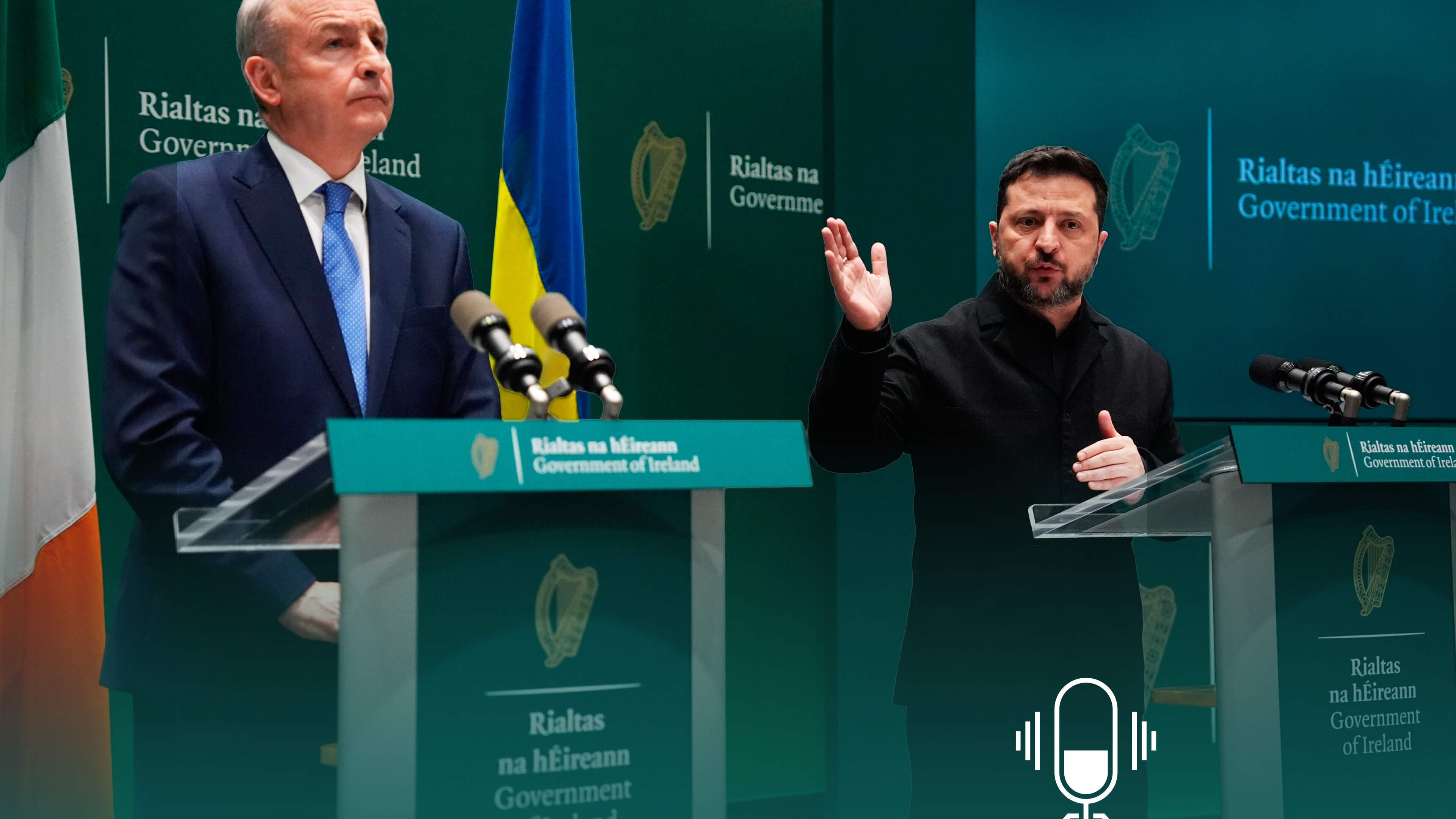
EU leaders agreed a European team for negotiations on peace in Ukraine during their informal meeting in Dublin on 13 November, European Council President António Costa announced. He described a partnership between EU institutions and the E5 countries of the Coalition of the Willing, rather than naming a single European envoy.R1
The Council's account identifies those five countries as France, Germany, Italy, Poland and the United Kingdom. It says the team will coordinate with all EU member states. The meeting followed the wider European Political Community summit hosted in Dublin the previous day.R2R3
RTÉ reported that Ukrainian President Volodymyr Zelensky met US envoys Jared Kushner and Steve Witkoff at Casement Aerodrome on 12 November, after their Moscow discussions with Vladimir Putin. Zelensky said European negotiators would participate directly in US-led talks with Ukrainian and Russian delegations in Abu Dhabi the following week. He also said an anticipated prisoner-of-war exchange would be the largest so far, without a verified count in that report.S2
Why it matters
The change concerns Europe's place in the negotiations, not the announcement of a peace settlement. Costa said decisions about Ukraine's territory and sovereignty belonged to Ukraine. He placed security guarantees within the Coalition of the Willing's work, coordinated with NATO.R1
European representatives had already taken part in related diplomacy. A 10 November joint statement records a coordination meeting in Abu Dhabi involving European partners, Ukraine and the United States ahead of trilateral discussions with Russia. That distinction matters when reading RTÉ's report that Europeans had not participated directly in that week's talks: prior consultations and participation in the negotiating room are different things.R4S2
The background
Martin described connectivity, including technology and energy links, as the theme of the wider summit, according to the Standard. The European Political Community was established in 2022 after Russia's invasion of Ukraine as an informal forum bringing EU and non-EU leaders together. Dublin hosted its ninth meeting.S3
The following day's EU meeting also included discussions with Mistral AI chief executive Arthur Mensch and computer scientist Geoffrey Hinton. The Council's account says leaders considered investment, energy and supply-chain dependence, alongside children's rights, democracy, jobs and cybersecurity. These were discussions of policy choices, rather than a newly announced AI law.R2
What happens next
Ukraine's financing needs for 2027 are due for discussion at the European Council on 26–27 November. RTÉ estimated those needs at about €70bn, but the material reviewed does not establish an agreed funding package. Zelensky's statement about direct European participation next week remains an announced plan, with the outcome of those talks still unknown.R3S2