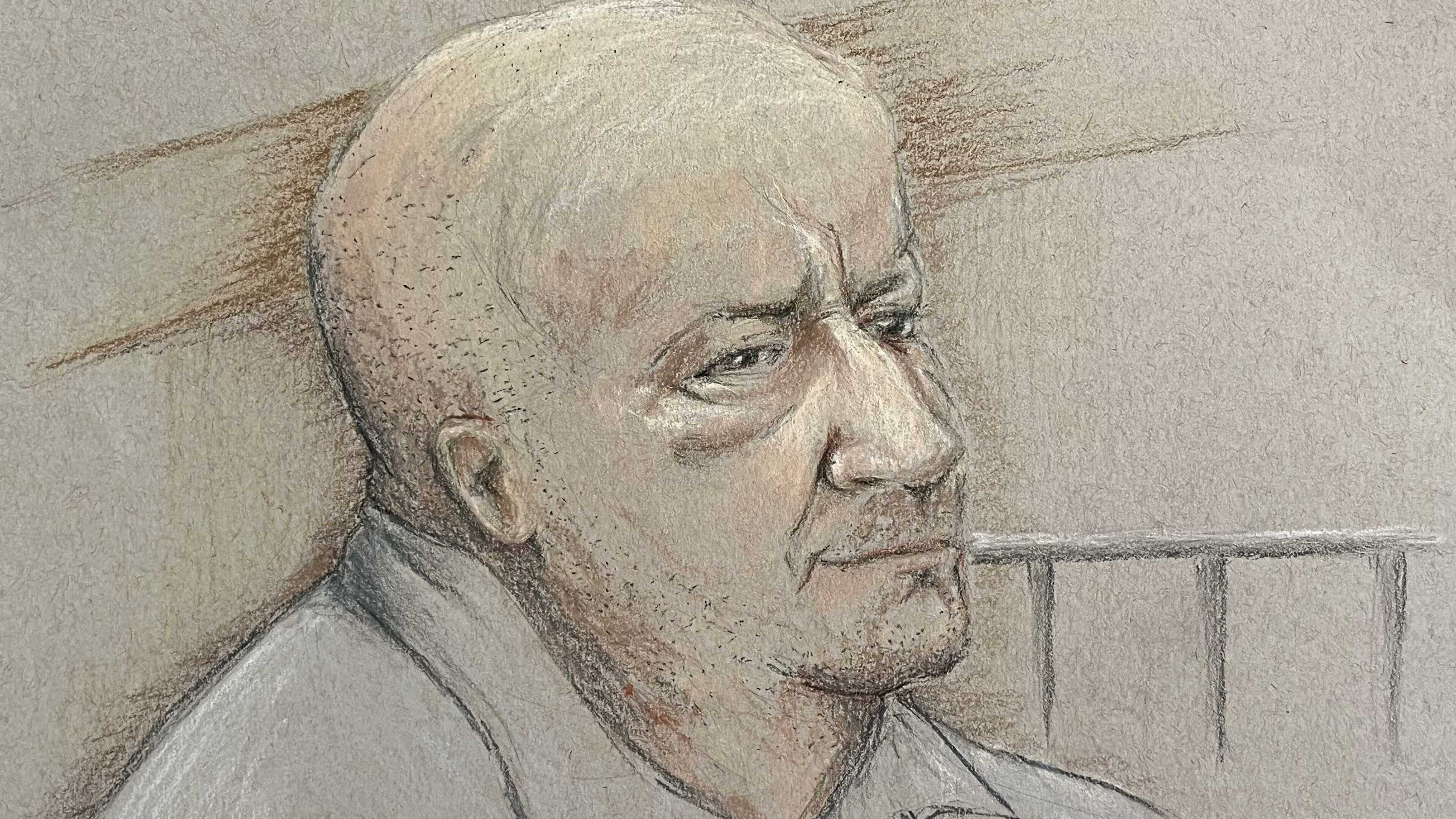
What happened
Riad Bouchaker was sentenced to life imprisonment at the Central Criminal Court on Monday for the attempted murder of a girl who was five when he attacked her at Dublin's Parnell Square. Mr Justice Tony Hunt imposed the sentence after a jury convicted Bouchaker in July of eight offences arising from the November 2023 attack.S3S2
Hunt also imposed 15-year terms for each of the other two attempted murders and 20 years for assault causing serious harm to childcare worker Leanne Flynn. Those terms will run concurrently with the life sentence. Further concurrent sentences cover assaults on two other children and a teenager, and producing a knife.S3
Why it matters
The life sentence relates specifically to the attempted murder of the girl who suffered the most serious injuries. The other attempted murder convictions concerned a six-year-old girl and a five-year-old boy. The judge cited the victims' vulnerability, the use of a lethal weapon in a public place and the lasting physical and psychological consequences when explaining the sentence.S3
The injured girl's mother told the court that her daughter, now eight, cannot walk or talk and requires feeding through a gastric tube. She said she and her husband would care for her throughout their lives and needed assurance about her care after their deaths. Those were the family's concerns set out in a victim impact statement.S3
The background
The offences took place on 23 November 2023. Flynn intervened to protect the children, while teenager Alan Lorena Guille took the knife from Bouchaker. Hunt paid tribute to her and to the members of the public who intervened.S3
The defence asked the court to take Bouchaker's cognitive and intellectual limitations into account. Hunt had previously found him fit to stand trial with accommodations after psychiatrists disagreed about his fitness to plead. At sentencing, the judge said he had given full weight to the medical conditions and decided against consecutive attempted murder sentences.S3
Fitness to participate in the trial had been considered separately before the jury reached its verdicts. In March, the court heard that both sides' psychiatrists accepted a neuro-cognitive disorder, but disagreed about its effect on his ability to plead. Hunt ruled that the trial could proceed.R3S2
What happens next
A life sentence does not specify an automatic release date. Ireland's Parole Board says prisoners can apply after serving ten and a half years, but parole cannot be granted before at least 12 years have been served. Reaching that threshold does not guarantee release.R1
The board considers public risk, rehabilitation and whether release is appropriate. Anyone granted parole continues serving the life sentence in the community under conditions and can be returned to prison. Victims can make submissions and have legal representation in that process.R2R1