What happened
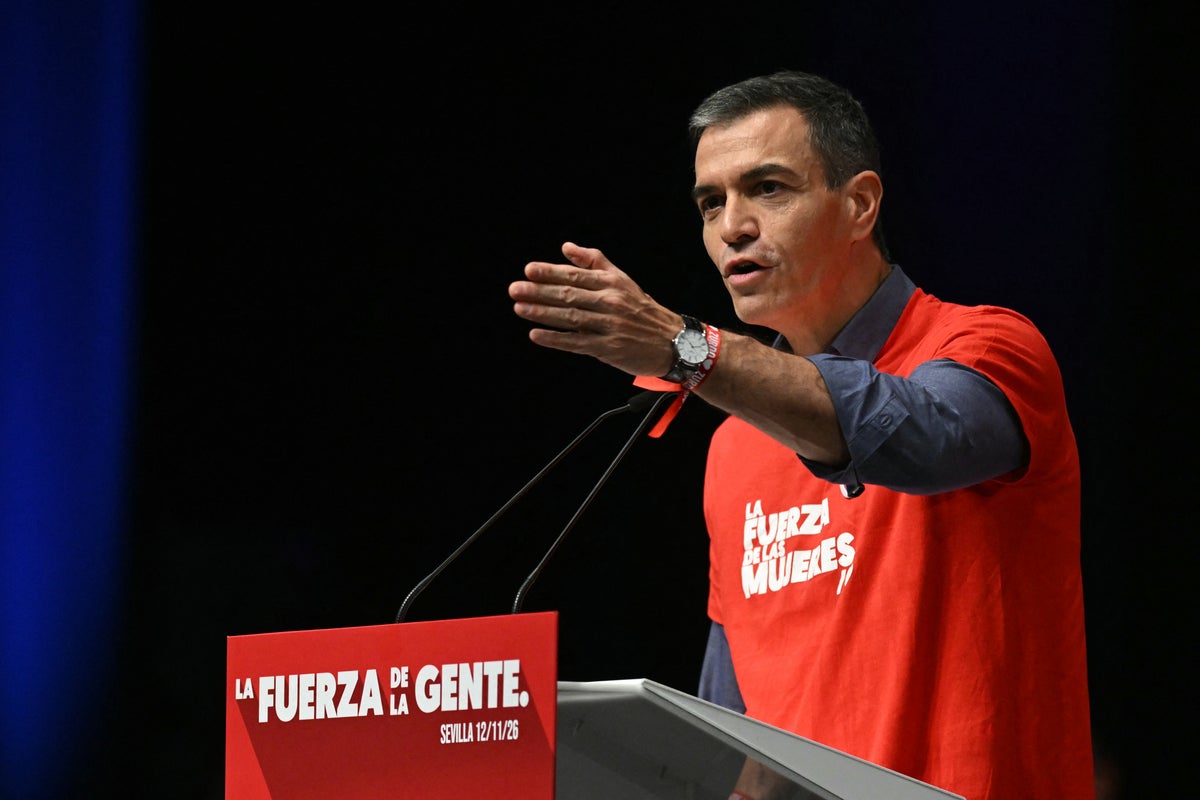
Spain's formal general election campaign began on Friday, with Prime Minister Pedro Sánchez seeking to unite left-wing voters behind his Socialist Party. Reporting carried by the Independent and the Hindu describes resistance from voters, housing campaigners and politicians dissatisfied with his government's record. The accounts follow the same interviews and should not be treated as separate surveys.S1S2R1
The reports put Socialist support in recent polls at about 26% to 29%, little changed from before the election was called. They describe a possible People's Party–Vox government as the leading prospect if support does not shift. That is an electoral assessment, rather than an established result or an agreement to govern.S1S2
Why it matters
Housing protests are central to the campaign, but the criticism described in the reporting extends to public services. At a Madrid march, primary school teacher Maria Torrena Perez called for better housing, education and healthcare. Trade unions said more than three million people joined this week's demonstrations; that attendance figure is their estimate.S1S2
Sánchez has presented a potential government involving the People's Party and Vox as a threat to social rights. Mario Aguiriano of the Socialist Movement criticised the current government as also taking the country backwards, while lawmaker Tesh Sidi urged support for her Broad Front party. These are competing political judgements, not findings about the next government's actions.S1S2
The background
Talks on a united platform among left-of-centre parties broke down last month, the reports say. Sánchez has appealed for tactical support in provinces electing only a few MPs. His argument concerns where votes produce seats, rather than simply which party has the largest national polling percentage.S1S2
The Interior Ministry explains that Congress has 350 members elected through provincial constituencies, plus Ceuta and Melilla. Voters choose closed party lists rather than individual candidates. Seat allocations differ: the election decree gives Soria two MPs and Madrid 38, illustrating the different constituencies in which parties compete.R1R2
Tenants Union spokesperson Alicia del Rio said voting alone would not deliver change and promised continued pressure over housing regardless of who governs. The movement's stated aim is to keep housing central to the election. That does not establish how participants in protests will cast their ballots.S1S2
What happens next
The decree sets polling for Sunday 29 November, with campaigning ending on 27 November. The new parliamentary chambers are scheduled to meet on 23 December. Congress, rather than a direct popular election for prime minister, grants confidence to a candidate seeking to lead the government.R1R2