What happened
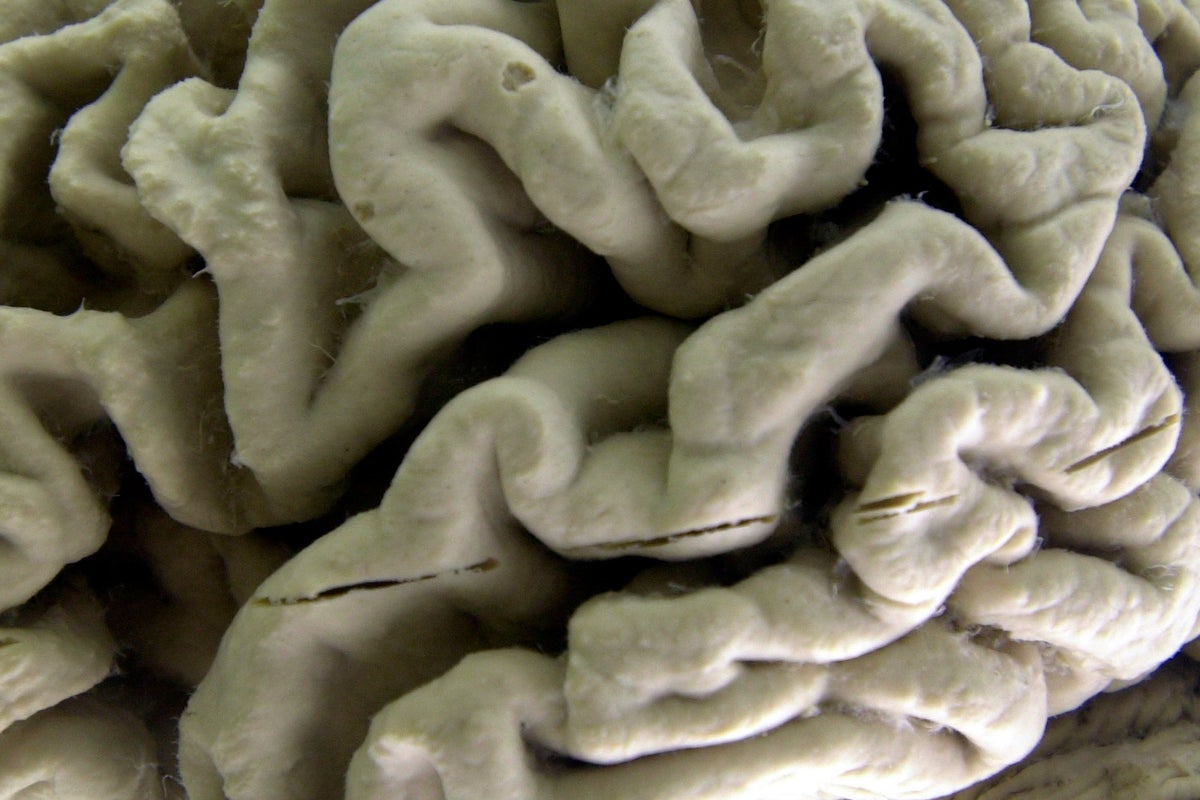
Researchers at Washington University in St Louis say a protein fragment already studied in Alzheimer's disease may also help identify advanced chronic traumatic encephalopathy, or CTE. The preliminary finding concerns eMTBR-tau243, a fragment of tau. It does not establish a validated blood test for diagnosing CTE in living patients.S1S2
The Guardian reported that researchers tested blood from 11 people whose CTE was confirmed at autopsy. Levels were higher in advanced CTE than in healthy comparison participants and rose with disease severity, the researchers reported. The marker could not reliably identify early-stage disease, according to both the Guardian and Associated Press.S1S2
Why it matters
CTE is linked to repeated head impacts, but confirmation currently requires examining the brain after death. Symptoms such as memory difficulties or changes in mood can overlap with other conditions. The US Centers for Disease Control and Prevention cautions that having such symptoms does not establish that someone has CTE.R1S1
A marker associated with advanced disease does not automatically distinguish CTE from every other cause of illness. Study co-author Chihiro Sato said in comments reported by the Guardian it would not be a standalone marker. She described a possible role alongside a history of repeated head injury and testing that excludes Alzheimer's disease.S2
The background
The investigation began with an unexpected result while researchers were studying Alzheimer's-related tau, AP reported. One patient had high levels of the fragment despite records indicating advanced CTE rather than Alzheimer's. The team then examined a broader collection of samples before analysing the stored blood, according to AP.S1
There is also a distinction between CTE and traumatic encephalopathy syndrome, or TES. A March 2023 fact sheet from the US Traumatic Brain Injury Center of Excellence describes TES as a clinical syndrome associated with CTE, rather than a diagnosis of the underlying brain pathology. Its guidance cautions that similar symptoms can have other, potentially treatable causes.R2
The CDC notes that CTE has been found in people with repeated head impacts who had no known history of concussion. It also says that not everyone with repeated impacts or brain injuries develops CTE. Those distinctions matter when interpreting research involving people with different histories of exposure.R1
What happens next
Larger studies are needed to test the finding, Sato and independent Northwestern University neuropathologist Rudolph Castellani said in AP's report. The proposed uses include monitoring people at risk and supporting treatment trials if future research confirms the results. Those remain research possibilities, not established clinical uses or evidence that a treatment works.S1S2